
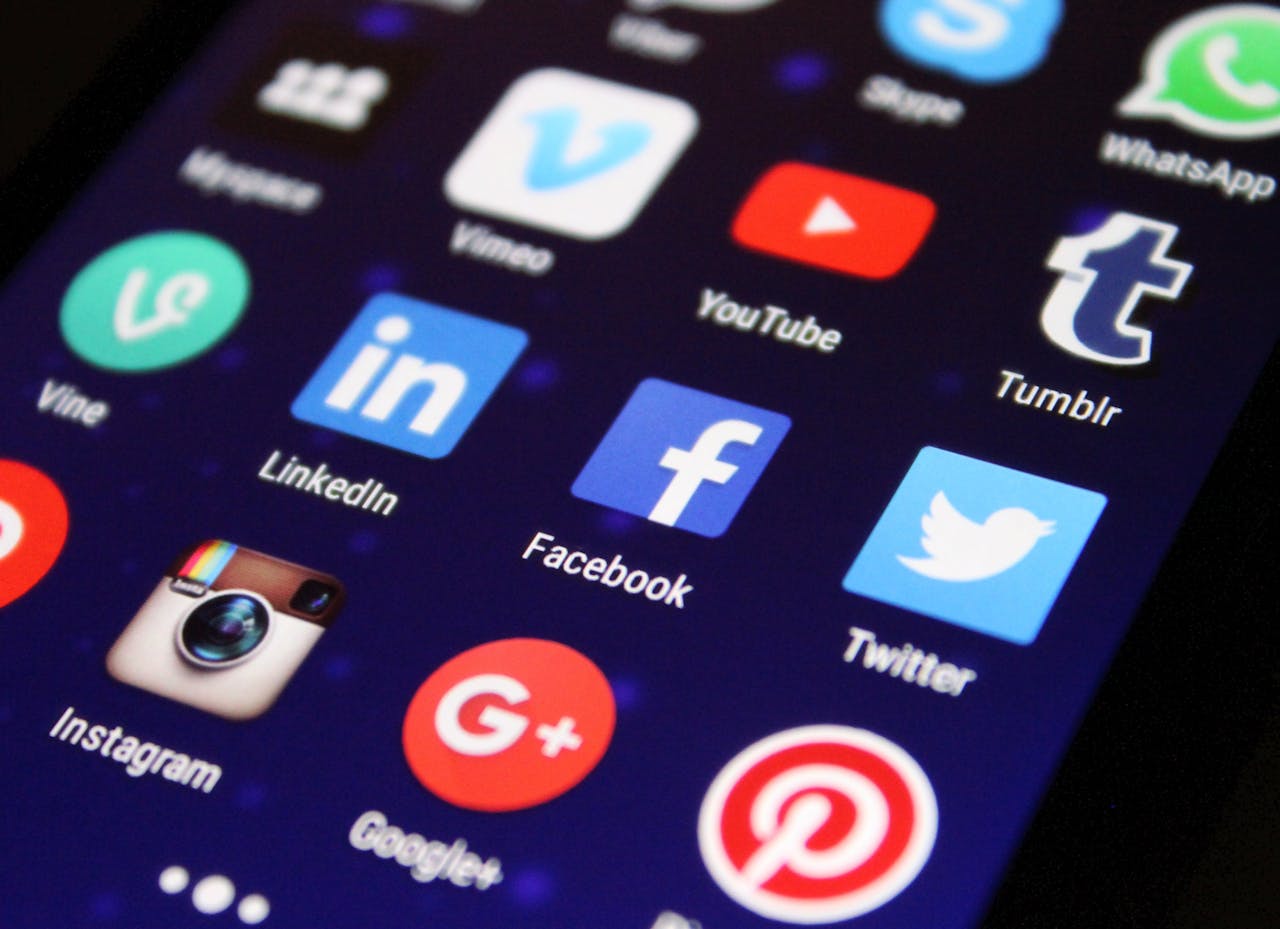
In the digital age, social media has become an integral part of daily life. People share updates, photos, and personal milestones to connect with friends, colleagues, and communities. However, excessive sharing of data comes with hidden dangers that can impact privacy, security, and even professional reputation. This case study examines how oversharing on social platforms can lead to serious consequences, highlighting real-world scenarios and lessons learned.
1. Case of Identity Theft: Too Many Personal Details
A young professional posted about her birthday, new driver’s license, and location check-ins on multiple platforms. Within weeks, she became a victim of identity theft. Cybercriminals pieced together her date of birth, address clues, and family information to open fraudulent accounts in her name.
Key Lesson:
Even seemingly harmless posts (birthdays, pets’ names, “fun facts”) can give hackers enough material to crack passwords or answer security questions.
2. Professional Repercussions: Oversharing Opinions
An employee at a global firm frequently shared strong personal opinions on politics and workplace frustrations. His posts were later discovered by HR and clients, leading to a damaged professional reputation and stalled career growth.
Key Lesson:
Social media is often seen as an extension of your professional identity. Oversharing opinions or sensitive work details can blur personal and professional boundaries.
3. Location Sharing Gone Wrong: Safety Risks
A family on vacation posted real-time updates from another country. Criminals monitoring their social media realized their house was empty and targeted it for burglary.
Key Lesson:
Sharing locations in real-time can compromise personal safety and property security. Posting after events, rather than during, is a safer practice.
4. Data Harvesting: Free Content for Scammers
One social media user filled out numerous viral quizzes (“What’s your superhero name?” “Which city should you live in?”). These required answers like mother’s maiden name, favorite teacher, or first car—common password reset questions. Unknown to the user, this information was harvested by malicious third-party apps.
Key Lesson:
Fun quizzes and challenges may actually be data-mining schemes designed to steal personal information.
5. Case of Reputational Damage: Context Collapse
A college student posted party photos publicly. Years later, when applying for a job, recruiters found these posts. Although legal, the photos painted an unprofessional image and contributed to her not being shortlisted.
Key Lesson:
Once shared online, content is permanent. Even deleted posts may exist in screenshots, archives, or cached data.
Conclusion
This case study reveals that oversharing on social media can lead to:
• Identity theft through exposed personal data
• Career setbacks due to unfiltered opinions or images
• Safety risks from real-time location sharing
• Exploitation by scammers via quizzes and apps
• Long-term reputational harm from permanent digital footprints
In a world where digital presence shapes both personal and professional opportunities, mindful sharing is no longer optional—it’s essential. Individuals and organizations alike must adopt smarter digital habits, ensuring that online interactions enhance rather than endanger their lives.